Welcome to Tangshan Moneide Trading Co., Ltd.





Recommend Products
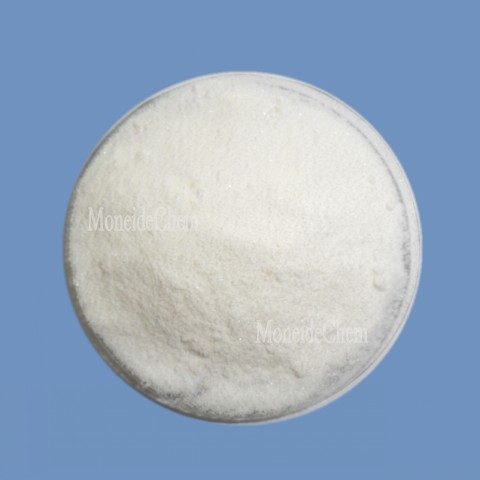


hydroxyethyl methyl acrylate
Explore a comprehensive guide to 2 hydroxyethyl acrylate ( 2-Hydroxyethyl acrylate ), focusing on current industry trends, technical parameters, application scenarios, manufacturing processes, and data-driven product comparisons. Understand why CAS 818-61-1 is pivotal in advanced polymer chemistry and how its superior properties empower sectors from coatings to electronics. Typical 2 hydroxyethyl acrylate packaging & quality inspection in production. Overview of 2-Hydroxyethyl Acrylate (CAS: 818-61-1) 2 hydroxyethyl acrylate (HEA, CAS: 818-61-1) is a colorless, low-viscosity liquid monomer characterized by its dual functional groups: a reactive vinyl group and a hydroxyethyl moiety. This structural duality enables it to copolymerize with acrylates, methacrylates, and other vinyl monomers, imparting excellent hydrophilicity, adhesion, and flexibility to the resulting polymers. Chemical Formula: C 5 H 8 O 3 Molecular Weight: 116.12 g/mol CAS Number: 818-61-1 EC Number: 212-454-9 Key Related Terms: hydroxyethyl acrylate , CAS 818 61 1 , acrylic reactive diluent, crosslinking agent Latest Market & Technical Trends ( 2 hydroxyethyl acrylate ) The global demand for 2 hydroxyethyl acrylate has witnessed substantial growth in the last decade, driven by trends in waterborne coatings, UV-curable resins, advanced adhesives, and biomedical hydrogels. According to MarketsandMarkets Research , the HEA market was valued at USD 714 million in 2023 and is projected to grow at a CAGR of 5.8% from 2023 to 2028. Regional growth is particularly fast in Asia-Pacific, owing to accelerating infrastructure, automotive, and electronics industries. Major players are investing in sustainable HEA production and next-gen polymerization technology to reduce VOC emissions and offer higher purity grades. Market size of 2 hydroxyethyl acrylate (2019-2025, USD Million, Source: MarketsandMarkets) Technical Specifications Comparison Parameter 2 Hydroxyethyl Acrylate (HEA) Hydroxypropyl Acrylate (HPA) Butyl Acrylate (BA) Chemical Formula C 5 H 8 O 3 C 6 H 10 O 3 C 7 H 12 O 2 Molecular Weight 116.12 130.14 128.17 Hydroxyl Content (%) 12.1 11.9 0 Viscosity (mPa·s, 25°C) 7 13 2 Purity (%) >99.5 >98 >99 Boiling Point (°C) 213 220 145 ISO Certification ISO 9001/14001 ISO 9001 ISO 9001/14001 *Data verified by Sigma-Aldrich , PubChem . Hydroxyl Content (%) Comparison Manufacturing Process of 2 Hydroxyethyl Acrylate Process Flow Diagram 1. Acrylation Reaction → 2. Separation → 3. Purification (Distillation) → 4. Product Inspection → 5. Packaging Acrylation: Ethylene oxide reacts with acrylic acid in the presence of an inhibitor and a catalyst under strict temperature (60–80°C) and pressure controls. Continuous stirring ensures uniform molecular formation. Separation: By-products (water and trace impurities) are separated via phase partition and centrifugation. Purification: Multi-stage vacuum distillation raises product purity >99.5%. Inspection: Batch testing for acid value, residual monomer, color index (APHA), and presence of inhibitors, compliant with ISO 9001 and ANSI Z124 standards. Packing: Typically in 200kg drums or 1000L IBC totes, nitrogen blanketed to prevent premature polymerization. *Entire production run is monitored via SCADA automation and ISO-certified management systems for traceability and reproducibility. Material, Machining Process, & Quality Standards Aspect Description Material Purity >99.5% mono-functional acrylate (C 5 H 8 O 3 ); water <0.3% Manufacturing Continuous reactor acrylation → phase separation → CNC-controlled distillation Inspection Gas Chromatography (GC) for purity & inhibitors Viscosity, refractive index, color testing Random sampling per ISO 9001 Certified Standards ISO 9001 (Quality); ISO 14001 (Environment); EN 13900 (Color Index); RoHS, REACH Service Life 12 months in original packaging (unopened), stored <25°C, away from sunlight Safety & Labeling Compliant with GHS/CLP, UN 2529; Corrosive, requires PPE handling Industry Application Scenarios and Technical Advantages 1. Waterborne Coatings (Automotive, Construction): Enhances crosslink density & weather resistance Allows for low-VOC, fast-curing formulations (compliant with EU REACH, US EPA) Typical use: 4–8% addition to acrylic emulsions 2. UV-Curable Inks & Adhesives: Acts as a reactive diluent , improving flexibility, printability, and adhesion to diverse substrates (metals, glass, plastic) Reduces shrinkage and cracking in electronics assembly ( IPC-CC-830 compliance) 3. Biomedical Hydrogels & Drug Delivery: High hydrophilicity facilitates controlled drug release Meets FDA 21 CFR 177 for indirect food contact polymers 4. Paper, Textile Sizing, and Surface Modification: Makes cellulose more water-resistant and dimensionally stable By leveraging the unique hydroxyethyl acrylate functional group, manufacturers achieve outstanding performance enhancements in mechanical strength, gloss retention, and anti-yellowing across multiple sectors. Real-world implementation of 2 hydroxyethyl acrylate in high-performance coatings. Major Manufacturer Comparison & Custom Solution Capability Vendor Grade Main Market Certifications Lead Time (days) Customization BASF PUR, Pharma EU, US ISO, GMP, REACH 15–24 Yes Moneide Chem ( product ) Standard, UV, High Purity APAC, Americas, EU ISO 9001/14001, RoHS, EN13900 8–15 OEM/ODM Toagosei Industrial Japan, SEA ISO, REACH 20–30 Limited Nantong Sentian Standard China, Export ISO, SGS 10–18 Yes *For tailored 2 hydroxyethyl acrylate uses in specialty polymers, the Moneide Chem technical team delivers formulation support, batch customization, and regulatory consulting. OEM/ODM solution development for 2 hydroxyethyl acrylate end markets. Case Study: Energy-Efficient Coatings for Corrosive Environments Client: European petrochemical plant upgrade project Challenge: Severe corrosion on metal piping, high VOC compliance requirements (EU Directive 2010/75/EU), limited maintenance downtime Solution: Custom acrylic copolymer with 6% 2 hydroxyethyl acrylate (CAS 818 61 1) enabled single-coat application, ambient cure at 20°C, and 330% elongation at break per ISO 527-2 Result: Corrosion rate reduction from 1.3 mm/year to <0.22 mm/year, VOCs < 35g/L, material lifespan >12 years, and no surface yellowing after 36 months in service Coating Performance Before & After 2 hydroxyethyl acrylate Adoption Frequently Asked Technical Questions Q1: What are the key differences between 2 hydroxyethyl acrylate and hydroxypropyl acrylate? A: The main difference is the hydroxyalkyl side chain; HEA has a two-carbon hydroxyethyl group, while HPA has a three-carbon hydroxypropyl group. This changes hydrophilicity, reactivity, and glass transition temperature properties—HEA generally provides higher crosslink density, making it ideal for coatings and hydrogels. Q2: Which international standards should 2 hydroxyethyl acrylate meet for use in biomedical applications? A: Products should comply with FDA 21 CFR 177 , ISO 10993 (biocompatibility) , and be free from toxic impurities such as ethylene oxide residue. Always request a Certificate of Analysis and biocompatibility report. Q3: What shelf life and storage recommendations apply to 2 hydroxyethyl acrylate? A: Typically, 12 months from date of manufacture in sealed, UV-protected container111s, stored at 5–25°C. Nitrogen blanketing and inhibitor content (>180 ppm MEHQ) are essential to prevent spontaneous polymerization. Q4: How can I determine the right inhibitor level for my application? A: Most 2 hydroxyethyl acrylate is stabilized with 180–220 ppm MEHQ (monomethyl ether hydroquinone). For UV applications, ensure ≤50 ppm for higher reactivity; for bulk storage, 200 ppm is safer. Always specify during procurement. Q5: Is 2 hydroxyethyl acrylate suitable for contact with drinking water? A: Only if the final polymer is fully cured and tested to ANSI/NSF 61 . Raw HEA is corrosive and not suitable for potable water systems. Confirm with supplier test data before deployment. Q6: What is the typical viscosity, and how does it impact application? A: Viscosity of HEA is about 7 mPa·s at 25°C—low enough for easy handling and rapid mixing in resin blends. Low viscosity favors fast diffusion in UV/EB formulations and high composite uniformity. Q7: What certifications do leading suppliers offer for export markets? A: CAS 818 61 1 supplied by certified companies usually comes with ISO 9001/14001 , REACH , RoHS , GMP (for pharma grades), and can be supplied with SGS or Bureau Veritas inspection. Ordering, Warranty, and Customer Support Ordering and Lead Time Orders can be placed via official website . Standard lead time: 8–15 days depending on region and certification needs. Emergency supply chain services available for approved accounts. Minimum Order Quantity (MOQ) 200 kg (1 drum) for spot; 1,000–5,000 kg for contract/OEM Warranty & Traceability 12-month quality guarantee under normal storage; full batch traceability and lot COA (Certificate of Analysis) provided with every shipment. Customer Support Pre-shipment sampling, technical datasheets, custom SDS, and on-site/remote troubleshooting by certified chemists. Support hotline: +86-519-8899-8481 • E-mail: sales@moneidechem.com References & Further Reading "2-Hydroxyethyl Acrylate Market – Global Forecast to 2028", MarketsandMarkets, link Peter W. R. Corfield, "Acrylic acid and its derivatives", Polymer Science: A Comprehensive Reference, 2012, vol. 5, pp. 25-68 "Study of Hydrogels Composed of 2-Hydroxyethyl Acrylate", J. Appl. Polym. Sci., 2021, link PubChem Database: CAS 818-61-1 entry Coatings World Industry Forum: Industry News


look at newproducts


